The Last Sogdians
A journey spanning two and a half millennia: from the cosmopolitan Silk Road cities to the remote mountain refuge where an ancient civilization survived against all odds.
"The Yaghnobi people are the sole survivors of the Sogdian civilization, which once dominated the trade routes of Central Asia. Their history is one of glory, tragedy, isolation, and an unbreakable will to preserve their identity."
The Golden Age of Sogdiana
Before the mountains became their refuge, the ancestors of the Yaghnobi people—the Sogdians—were the masters of the Silk Road. They built cosmopolitan cities like Panjikent and Samarkand, developed a rich literature, and facilitated trade between China and the Mediterranean.
Historical Highlights:
- • Control of Silk Road trade routes
- • Advanced urban planning and mural arts
- • Zoroastrian and Manichaean religious centers
Conquest & The Retreat
The Arab conquest of Central Asia brought the fall of the Sogdian city-states. While many assimilated, a determined group led by Divashtich and other nobles retreated into the inaccessible upper Zeravshan valley—specifically the Yaghnob River gorge—to preserve their language and religion.
The Great Migration:
The retreat into the Yaghnob Valley marked the transition from a cosmopolitan empire to an isolated mountain enclave, effectively freezing the Sogdian language in time.
Centuries of Isolation
For over a thousand years, the Yaghnobi people lived in relative isolation. Protected by high mountain passes, they maintained their distinct language (a direct descendant of Sogdian) and cultural practices, while the rest of the region underwent linguistic Turkification and Persianization.
"The mountains were our fortress, and the snows our shield. Here, the old words survived when they had been forgotten everywhere else."
The Forced Relocation
In a tragic event, Soviet authorities forcibly relocated the entire population of the Yaghnob Valley to the cotton plains of Zafarobod. The harsh climate and loss of their mountain home devastated the community, leading to significant loss of life and cultural disruption.
Cultural Catastrophe:
The forced migration nearly caused the extinction of the Yaghnobi language and traditional way of life, as the community was scattered and faced extreme hardship.
Return & Revitalization
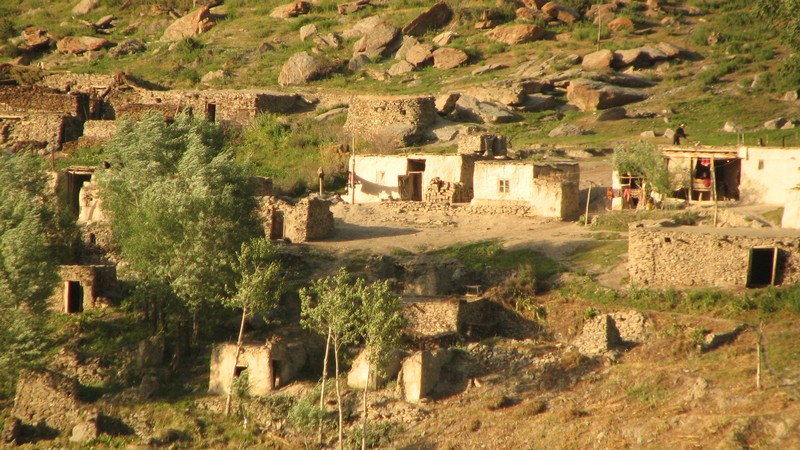
With the fall of the Soviet Union, many Yaghnobi families began the arduous journey back to their ancestral valley. Today, they work to rebuild their villages and preserve their unique heritage, though challenges of infrastructure and economic sustainability remain.
Current Status:
A fragile renaissance is underway. While many Yaghnobis remain in the lowlands, the valley is once again inhabited, and efforts to document and teach the language are growing.
Discover the Living Heritage
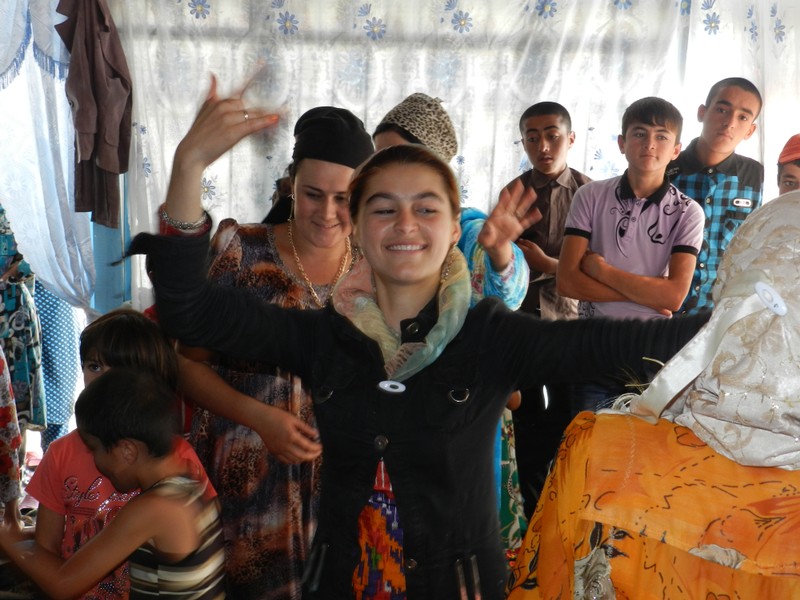
The history of the Yaghnobi people is not just in the past; it lives on in their daily customs, their crafts, and their oral traditions.
Explore Ethnography